
The full set of Dune: Part Three character posters is here and offers something more layered than a simple cast reveal. Taken together, they read almost like a map of where the story is heading—who holds power, who challenges it, and who may be caught in between. Apart from who is included, it is striking how they’re presented. Each character, some old and some new, feels slightly more isolated than before, as though the world around them has narrowed under the weight of what’s coming.
Paul Atreides: The Burden of Absolute Power
Paul Atreides, played by Timothée Chalamet, remains the gravitational center of the story, but the tone around him has clearly shifted.
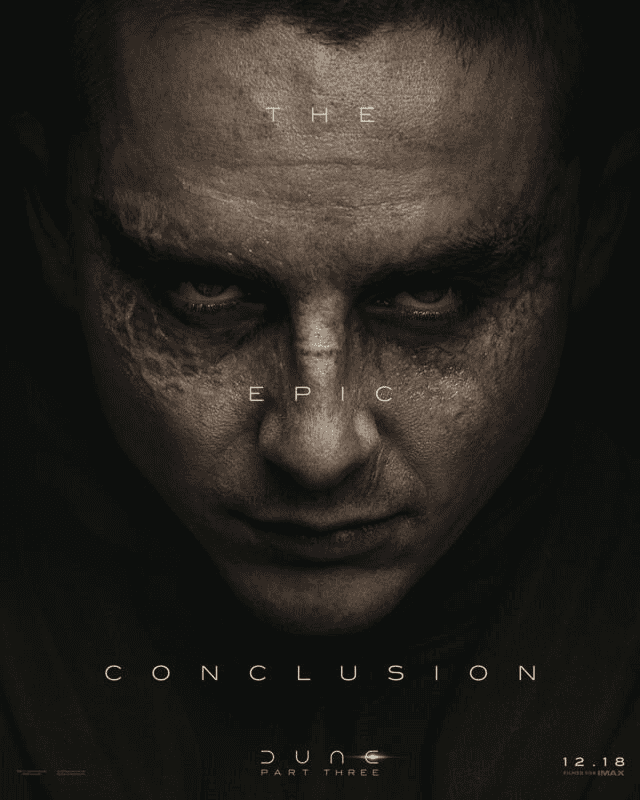
There’s less sense of movement now, less forward momentum. Instead, the imagery suggests a man who has already stepped into his role and is now defined by it. Power, in this context, doesn’t elevate—it contains. And the more central Paul becomes, the more alone he appears.
Chani: Emotion, Distance, and Quiet Resistance
Chani, portrayed by Zendaya, feels emotionally distinct from the rest of the lineup.

Where Paul’s image suggests control, Chani’s often carries something more conflicted. There’s a sense of distance—subtle, but noticeable—that hints at tension rather than unity. If Paul represents power consolidated, Chani may represent the cost of that consolidation on a personal level.
Scytale: A Different Kind of Threat
The arrival of Scytale, played by Robert Pattinson, marks one of the most significant shifts in the story’s dynamic. Unlike previous antagonistic forces in Dune, Scytale operates through subtlety—through identity, manipulation, and infiltration. Even in a single poster, that energy can be felt. He doesn’t need to dominate the frame to feel dangerous. If anything, the restraint makes him more unsettling.
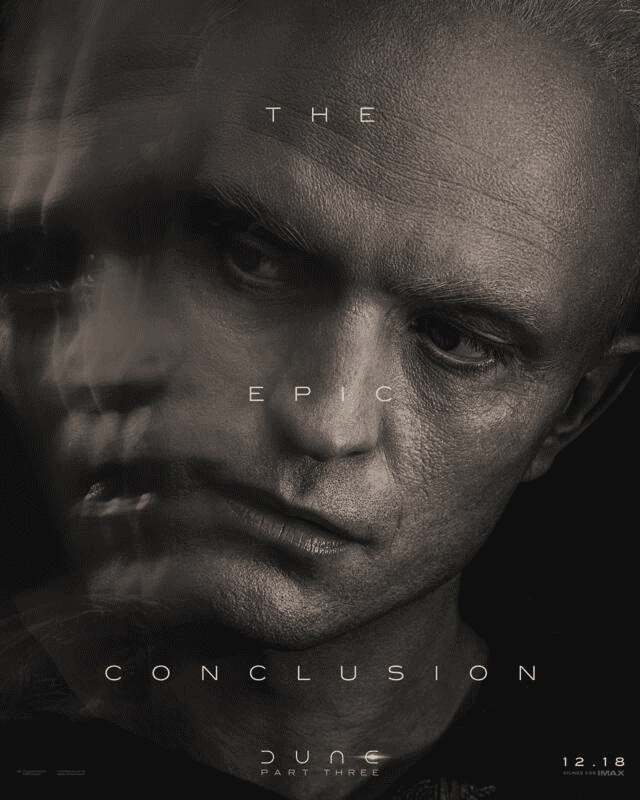
This aligns closely with the surge in searches around “who is Robert Pattinson playing in Dune 3”—because his role signals a move away from visible conflict and toward something more psychological.
Lady Jessica: Transformation Complete
Lady Jessica, portrayed by Rebecca Ferguson, has undergone one of the most profound evolutions in the series.
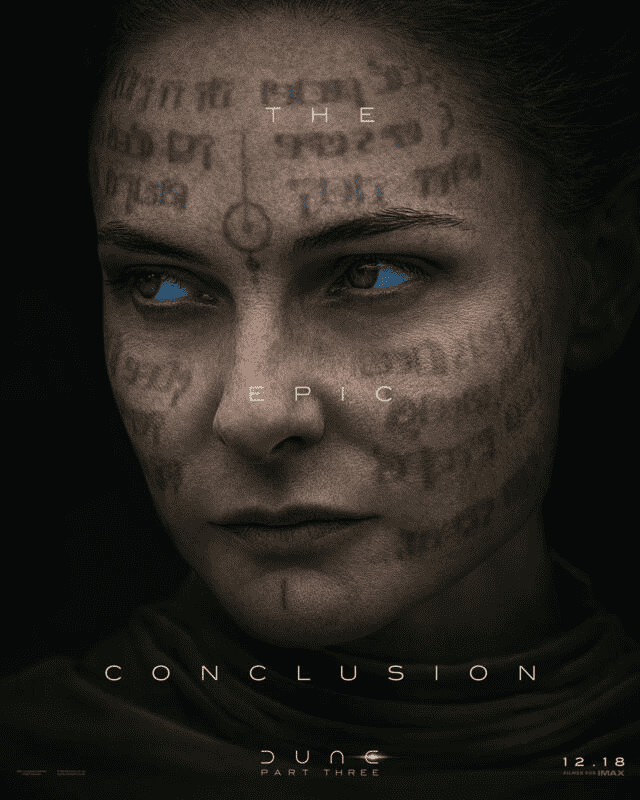
In these posters, she no longer feels like a figure navigating power structures. She feels like someone who has fully merged with them. There’s an intensity to her presence that reflects her deepening connection to prophecy, belief, and influence.
Stilgar: Faith and Its Consequences
Stilgar, played by Javier Bardem, represents something essential to Paul’s rise: belief.
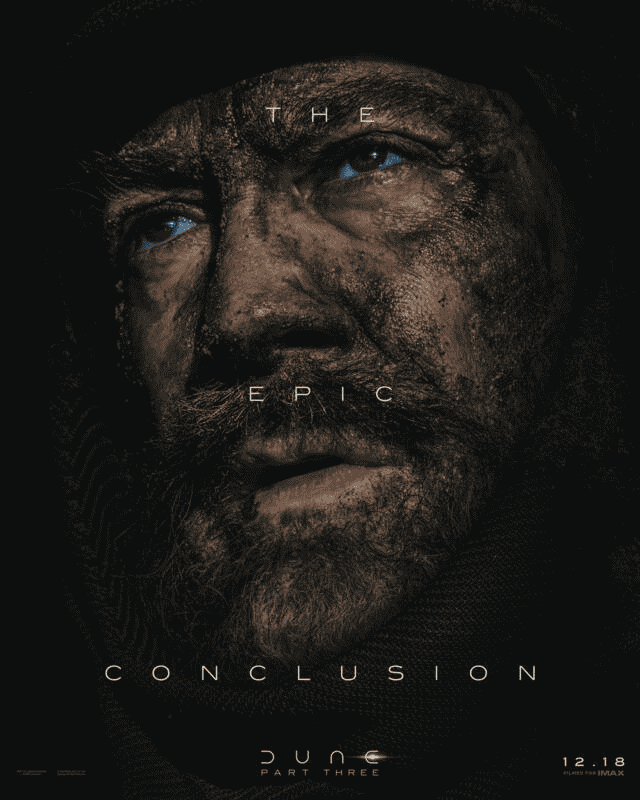
But belief, once fulfilled, doesn’t disappear—it transforms. In the poster, Stilgar’s presence feels steadier, but also heavier, as though the reality of what he helped create is beginning to settle in.
Duncan Idaho: The Return That Changes Everything
The inclusion of Duncan Idaho, portrayed by Jason Momoa, is one of the most intriguing elements of this poster set.
For audiences familiar with the story, his return carries major implications. For others, it introduces a new layer of mystery. Either way, his presence suggests that Dune: Part Three is expanding its scope—not just forward, but backward, revisiting what was lost and reshaping it.
Farok: A Ground-Level Perspective
Farok, played by Isaach De Bankolé, may not command the same immediate recognition as other characters, but his inclusion is telling.
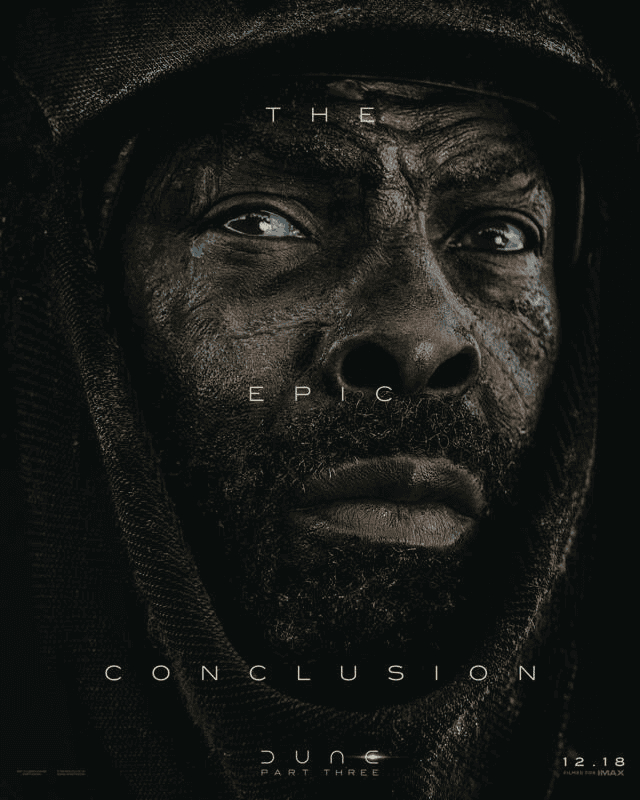
Characters like Farok often anchor the story in lived experience. In a narrative increasingly dominated by emperors, prophets, and political figures, his perspective may serve as a reminder of what all that power actually affects.
Princess Irulan: Strategy in Plain Sight
Princess Irulan, portrayed by Florence Pugh, remains one of the most composed figures in the lineup.
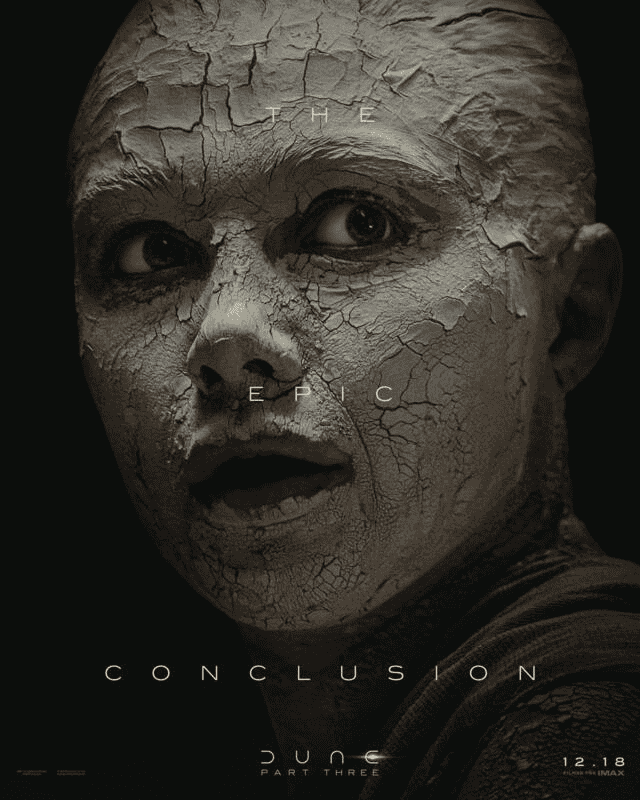
Her stillness reads less as passivity and more as calculation. Irulan understands systems—how they function, how they shift, and how to survive within them. In a story where power is absolute, that kind of awareness becomes its own form of influence.
What the Full Poster Lineup Tells Us
Looking at all of these characters together, a pattern starts to emerge. This is no longer a story about who will rise. That question has already been answered.
Instead, Dune: Part Three appears to be asking something more complex: what happens to everyone else once that rise is complete? Who adapts, who resists, and who gets pulled into something they can’t control? The posters don’t shout those answers. They suggest them quietly, through composition, distance, and tone.
And that restraint may be the clearest signal of all. This next chapter isn’t about spectacle—it’s about consequence.