
Netflix price increase 2026 is here again in the U.S.—and by now, that almost feels expected. The bigger question isn’t why it happened. It’s what it actually means for the way you watch—and pay for—entertainment.
What the New Netflix Prices Look Like
Here’s where things currently stand in the U.S. after the latest round of increases:
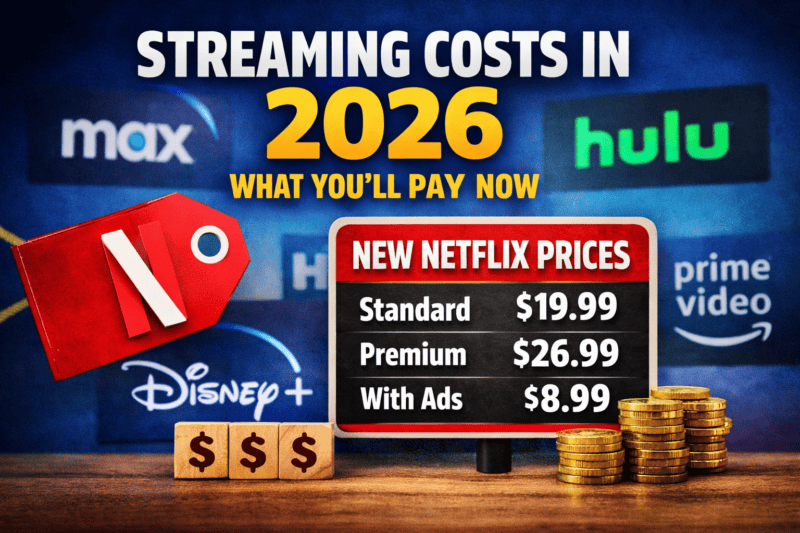
- Ad-supported plan: $8.99/month (previously $7.99)
- Standard (ad-free): $19.99/month (previously $17.99)
- Premium: $26.99/month (previously $24.99)
- Extra member (account sharing add-on): up to $9.99/month
These increases may look incremental, but over time they’ve pushed Netflix firmly into premium territory—especially for households using higher-tier plans.
Netflix price increase 2026
From Netflix’s perspective, the strategy is straightforward. The platform is no longer trying to win subscribers at any cost. It already has them. Now, it’s focused on making more revenue from each user. At the same time, Netflix is expanding beyond traditional streaming—adding live content, experimenting with new formats, and investing heavily in original programming. It is clear that Netflix sees itself as more than a streaming service. It’s positioning itself as a central entertainment hub—and pricing it accordingly.
What It Means for You
For many households, streaming used to feel like a cheaper alternative to cable. That’s no longer the case. With Netflix’s premium plan nearing $27/month, and other services like Disney+, Max, and Hulu in the mix, monthly entertainment costs can add up quickly. Instead of replacing cable, streaming is starting to resemble it—just spread across multiple apps.
Is Netflix Still Worth It?
The answer depends on how often it’s actually used. For viewers who regularly watch Netflix originals, new releases, or global content, the platform can still justify its price. But for more casual users—those who scroll more than they watch—the value becomes harder to defend. The difference now isn’t just about content. It’s about usage versus cost.
How to Keep Your Streaming Costs Under Control
As prices rise, managing subscriptions becomes part of the viewing experience. A few simple habits can make a noticeable difference:
Rotate subscriptions instead of stacking them: Instead of paying for multiple platforms at once, switch between them month to month based on what you want to watch.
Use the ad-supported plan when it makes sense: Netflix’s lower-priced tier offers a more affordable option, especially for casual viewing.
Cancel when you’re not actively watching: Streaming services are easy to restart. Keeping inactive subscriptions running is one of the biggest hidden costs.
Review what you actually watch: If a platform isn’t part of your regular routine, it may not need to be part of your monthly budget.
Share costs where possible: Within Netflix’s current rules, family plans and add-on members can still reduce the cost per person.
The Bigger Shift
Netflix isn’t trying to be the cheapest option anymore. It’s betting that it has become essential enough that most subscribers won’t leave—even as prices increase. For viewers, that means one thing: Streaming is no longer a passive expense and needs to be actively managed.
As Netflix and the rest of the streaming industry continues to raise prices, the balance of control is shifting. Platforms will keep testing how much audiences are willing to pay. The only real counterbalance is how intentional viewers are about what they subscribe to—and why.
Best Value Streaming Plans in 2026 (U.S. Comparison)
Here’s how the major platforms stack up right now in terms of pricing and overall value:
| Platform | Plan Type | Price (Monthly) | Ads | Best For |
|---|---|---|---|---|
| Netflix | Standard w/ Ads | $8.99 | Yes | Casual viewers, trending shows |
| Standard (No Ads) | $19.99 | No | Regular binge-watchers | |
| Premium | $26.99 | No | Families, 4K, multiple screens | |
| Disney+ | Basic (with ads) | $7.99 | Yes | Marvel, Star Wars, family content |
| Premium (No Ads) | $13.99 | No | Best overall value for franchises | |
| Max (HBO) | With Ads | $9.99 | Yes | Prestige TV, HBO originals |
| Ad-Free | $15.99 | No | High-quality series & films | |
| Hulu | With Ads | $7.99 | Yes | Network TV, next-day episodes |
| No Ads | $17.99 | No | TV-heavy viewers | |
| Prime Video | Included w/ Prime | $14.99 (bundle) | Limited | Value bundle (shipping + content) |
| Standalone + No Ads | +$2.99 add-on | No | Occasional watchers | |
| Apple TV+ | Ad-Free | $9.99 | No | Premium originals, fewer shows |
| Paramount+ | With Ads | $5.99 | Yes | Budget option, live sports |
| Showtime Bundle | $11.99 | No | Movies + live TV mix |
Quick Value Breakdown (What’s Actually Worth It)
Best Budget Pick
👉 Paramount+ ($5.99)
If cost matters most, nothing beats this. It’s not flashy, but it gets the job done—especially with live sports.
Best Overall Value
👉 Disney+ ($13.99 no ads)
Still one of the strongest libraries for the price. Consistent, reliable, and packed with recognizable content.
Best for Prestige Content
👉 Max ($15.99 no ads)
If you care about quality over quantity (HBO-style shows), this is still the gold standard.
Best “All-Rounder” (But Expensive)
👉 Netflix ($19.99–$26.99)
Still the most diverse library—but no longer the best deal. You’re paying for variety and cultural relevance.
Best Minimalist Option
👉 Apple TV+ ($9.99)
Small library, but high hit rate. Ideal if you prefer curated, premium storytelling over endless scrolling.
Best Bundle Value
👉 Prime Video (via Amazon Prime)
Not the cheapest—but when bundled with shipping and other perks, it’s one of the smartest “all-in-one” subscriptions.
The Best Setup Right Now
For most viewers, the sweet spot is:
- 1 premium service (Netflix or Max)
- 1 value service (Disney+ or Paramount+)
Anything beyond that—and you’re probably overspending.