
There are plenty of sequels nobody asks for. The Devil Wears Prada 2 is not one of those. The moment people hear the title, they already know the characters, the tone, and at least three scenes by memory. That kind of recall is rare, especially for a comedy-drama released back in 2006.
The original film worked because it was sharper than it looked. On the surface, it was a glossy studio movie set inside fashion media. But underneath that, it was about work, identity, ambition, and what success can quietly cost. That is one reason it lasted longer than many films from the same era.
Meryl Streep’s Miranda Priestly is also a major reason people still care. She was intimidating, funny, precise, and oddly watchable even when being cruel. Many movie bosses feel exaggerated. Miranda felt specific. You could imagine real people like her in publishing, media, fashion, and almost any status-driven industry. That made the character stick.
Anne Hathaway’s Andy Sachs gave the film balance. Without her, Miranda is just a force of nature. Andy was the audience entry point, but also the person forced to decide what kind of life she wanted. That tension still feels current. Career advancement versus personal cost is not an outdated theme. If anything, it became more relevant.
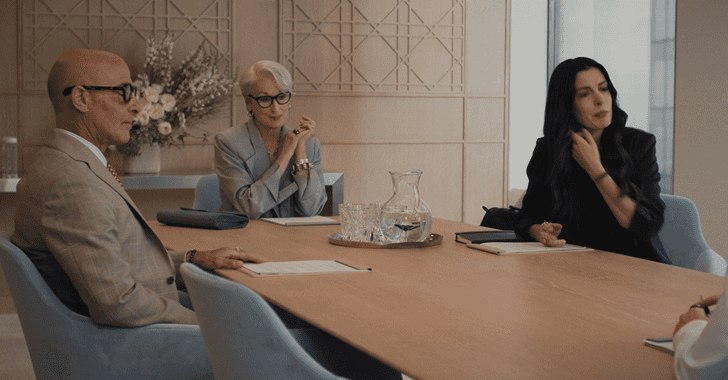
Emily Blunt and Stanley Tucci helped too. The supporting cast gave the movie rhythm instead of turning it into a one-performance showcase. Even people who revisit the film years later often quote Emily Charlton’s lines as much as Miranda’s. That says a lot about how well the movie was built.
Another reason The Devil Wears Prada 2 draws interest is timing. The world of the first film barely exists now. Print magazines lost influence. Social media changed trend-setting. Luxury brands speak directly to consumers. Editors are no longer the only gatekeepers. That creates an actual story opportunity, not just nostalgia.
Miranda Priestly in the digital era is more interesting than Miranda simply returning to bark orders again. Would she adapt? Would she lose power? Would she hate influencers while secretly needing them? That is where a sequel can justify itself.
The audience has changed too. In 2006, viewers often saw Andy’s sacrifices as part of paying dues. In 2026, many people are more skeptical of burnout culture and glamorized overwork. The same story beats would land differently now. That gives the sequel a chance to revisit old ideas with new perspective.
There is also simple comfort value. Some films become background favorites people rewatch repeatedly. The Devil Wears Prada became one of those movies. It is stylish, fast, quotable, and easy to return to. Those films build loyalty over time, and loyalty turns into sequel curiosity.
But nostalgia alone will not be enough. If The Devil Wears Prada 2 only repeats old jokes, old entrances, and old insults, interest will fade quickly. People remember the first film because it had something to say beneath the designer clothes.
That is why people still care after 20 years. The original was entertaining, but it also understood ambition better than many prestige dramas did. If the sequel understands how power and work culture changed since then, it could matter again. If not, it will just remind everyone why the first one lasted.