
Kidnapped in Her Own Home does not rely on big moments to create tension. This Lifetime True Crime movie stays focused on smaller actions, and sometimes the lack of action. That choice defines how the story moves and how it keeps its grip in this hostage drama.
Premiering on Lifetime on May 2 at 8/7c, the film centers on true crime adaptation story of Martha Carelli, played by Stana Katic. Her life shifts quickly when an escaped convict hiding in her basement takes her hostage and forces her into a drive that becomes a moving standoff. The setup is familiar. But the way the film handles it feels more controlled than expected.
Most of the suspense comes from what Martha does quietly. She is not trying to overpower her captor. She is not making sudden moves. Instead, she leaves small clues along the way, hoping someone will notice. These are not dramatic signals. They are easy to miss. And that is exactly why they work.
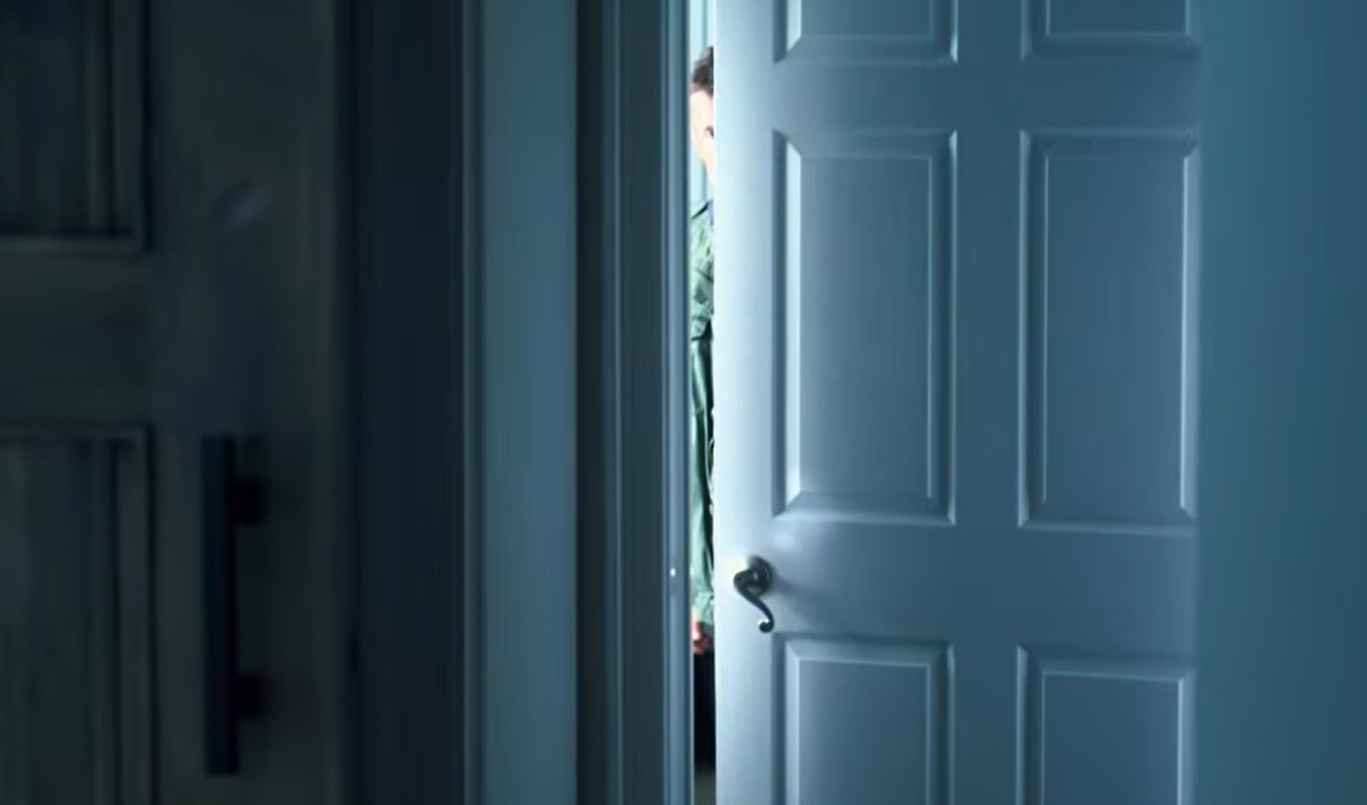
The film, based on Ann Rule’s non-fiction story The Painter’s Wife, leans into this idea of subtlety. Each action has to feel believable. If Martha does too much, the situation falls apart. If she does too little, she disappears into it. The tension comes from that balance.
There is also a strong emphasis on timing. Martha often chooses not to act, even when there might be an opportunity. That restraint becomes part of her survival strategy. It is not about bravery in a conventional sense. It is about reading the situation and knowing when action would make things worse.
This approach takes the film away from typical thriller beats. There are no extended chase sequences or sudden reversals. Instead, scenes stretch out around small decisions. A glance, a pause, a slight change in tone. These moments carry more weight than anything physical.
Kidnapped in Her Own Home Review
Stana Katic plays this with a steady presence. She does not overplay fear or strength. Her performance stays contained, which fits the structure of the film. Martha is thinking constantly, even when she is not speaking. That internal calculation becomes visible without being spelled out.
The dynamic with the captor, played by Tyler Perez, also benefits from this quieter approach. The tension is less about aggression and more about unpredictability. His behavior shifts in subtle ways, which forces Martha to adjust constantly. That back-and-forth creates a psychological rhythm rather than a physical one.
What stands out is how Kidnapped in Her Own Home trusts the audience to notice details. It does not underline every clue or decision. Some things are easy to miss in the moment, but they add up. That slow accumulation builds a different kind of suspense, one that depends on attention rather than shock.
At times, this restraint can make the pacing feel slower than expected. Viewers looking for more direct action might find it uneven. But the trade-off is a more grounded sense of tension that feels tied to real behavior rather than constructed set pieces.
In the end, Kidnapped in Her Own Home on Lifetime Channel works best when it stays quiet. It understands that in a situation like this, survival is not about dramatic moves. It is about small, careful decisions and knowing when doing nothing is the smartest move available.
Read more about the true story of Martha Carelli here.