
Here’s the thing about The Strangers: Chapter 3 — the debate around it isn’t really about the scares. It’s about the structure. Specifically, that loaded little word: chapter.
Ever since the franchise leaned into chapter-based storytelling, fans have been split straight down the middle. Some love the slow-burn, extended nightmare. Others feel like they’re being asked to wait for a payoff that keeps moving just out of reach.
And honestly? Both sides have a point.
“Chapter” Changes the Contract With the Audience
When you call something a sequel, expectations are clear. Beginning. Middle. End. Roll credits. When you call something a chapter? You’re making a different promise. You’re saying: This is part of a larger story. Completion is coming — just not yet.
That’s a risky move in horror, where tension relies on release. A lot of fans went into the recent Strangers films expecting the familiar rhythm of the original — isolation, terror, escalation, devastation.
What they got instead felt more like a prolonged state of dread. For some viewers, that’s the appeal. For others, it feels unfinished.
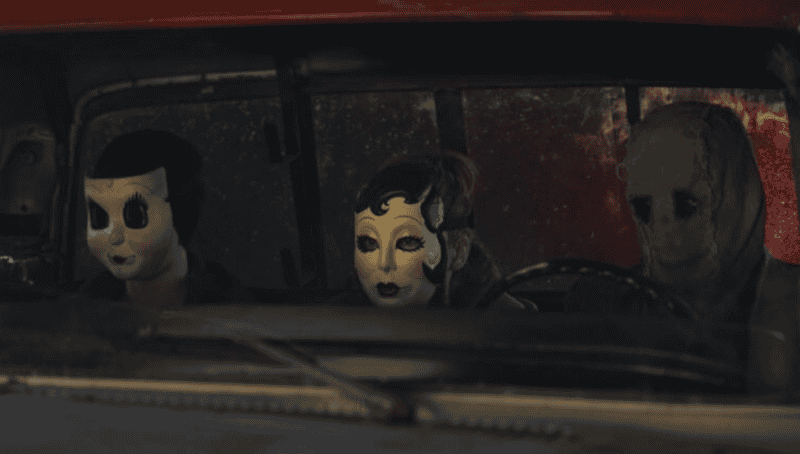
Why Some Fans Love the Chapter Approach?
There’s a segment of the audience that genuinely appreciates what the chapter structure allows. Instead of racing toward shock, the films linger. They sit in discomfort. They stretch the waiting — which, let’s be honest, has always been the scariest part of The Strangers.
- The killers don’t rush.
- The fear doesn’t resolve quickly.
- The night doesn’t end when you want it to.
For fans who value atmosphere over answers, the chapter format feels intentional — almost cruel in the way the franchise has always been cruel. It mimics the experience of being trapped in a situation with no clean exit.
That slow suffocation? That’s the point.
Why Other Fans Feel Frustrated (And Aren’t Wrong)
On the other side of the conversation are fans who feel like the chapter structure dilutes impact. Horror thrives on momentum. When a movie ends without emotional or narrative closure, it can feel less like suspense and more like a pause button.
A lot of the online frustration doesn’t come from hatred of the franchise — it comes from expectation management. Viewers didn’t necessarily want answers, but they did want resolution within each film.
When that doesn’t happen, the experience can feel transactional: Stick around. The payoff is coming. Eventually. That’s a hard sell, especially in a genre built on immediacy.
The Branding Might Be the Real Problem
What’s interesting is that many of these complaints aren’t really about story at all — they’re about framing. Calling these films “chapters” invites comparison to:
- TV episodes
- Miniseries arcs
- One long narrative broken into pieces
That’s not inherently bad, but it shifts how people judge satisfaction. A movie that feels incomplete as a film might feel perfectly acceptable as an episode — except audiences paid for a movie. That tension is at the heart of the divide.
Why This Debate Is Actually a Good Sign
The chapter structure has forced audiences to engage with The Strangers as more than a nostalgia play. It’s no longer just “remember how scary this was.” It’s “what kind of story is this trying to be now?” That’s a healthier conversation than apathy.
And heading into Chapter 3, that tension becomes the most interesting thing about the film. Not whether it’s scarier. Not whether it tops the original. But whether it finally reconciles those two expectations — atmosphere and payoff.
Does the Chapter Structure Work?
The honest answer? It depends on what you want from The Strangers. The chapter approach probably works for you if you want:
- Relentless dread
- A sense of being trapped in time
- Horror that refuses to resolve neatly
It doesn’t if you are looking for,
- A complete emotional arc per film
- Clear escalation and release
- A night that actually ends
And that’s why fans are divided — not because one side “gets it” and the other doesn’t, but because the franchise is asking two different things of its audience at the same time.
Ultimately, The Strangers has always been about intrusion without explanation. About violence without reason. About fear that doesn’t care if you’re ready.
Now it’s extending that philosophy to its storytelling. Whether that feels immersive or exhausting is personal.
But one thing’s clear. If Chapter 3 sticks the landing, the debate will soften. If it doesn’t, this structure will be remembered as the thing that changed how fans felt about the franchise — not the masks, not the violence, not the knock at the door.