
The Star Wars Maul series is doing something the franchise usually avoids. It’s putting a real villain at the center and not clearly softening him.
Sam Witwer describes Maul as “a blur between a protagonist and an antagonist at the same time.” That line matters more than it sounds. Star Wars has played with morally grey characters before, but it usually pulls them toward redemption or clear alignment.
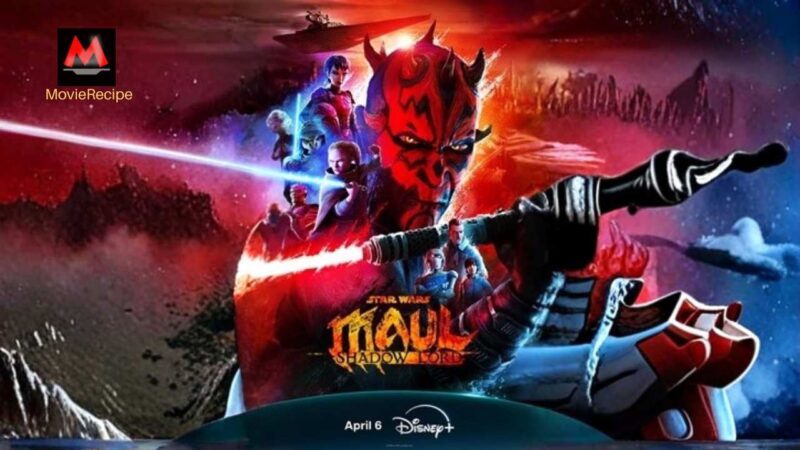
Maul has always worked as a presence rather than a perspective. He shows up, creates chaos, and leaves. Even in animated Fantasy series where he had more depth, he was still framed against heroes. That structure kept the audience at a distance.
This time, the distance is gone. Witwer points out that “you can do some things in a Maul series that you can’t do when he’s just the villain in something.” That suggests the show isn’t just expanding his backstory. It’s shifting how the story is told. You’re not watching Maul anymore. You’re following him.
If you center a villain, you either humanize them or risk losing the audience. But if you humanize them too much, they stop feeling like the same character. That balance is difficult, especially with someone like Maul, who was originally built on intensity rather than nuance. The series seems aware of that risk.
Witwer openly says, “it demands that you take risks,” and adds that they’ve pushed every department further than before. “The sound, the music, the acting, the writing… everything needed to get an upgrade.”
That doesn’t sound like a small-scale character piece but an attempt to reframe Maul without diluting him. There’s also a noticeable emphasis on effort behind the scenes. Witwer credits Athena Portillo for pushing “every division farther than they’ve ever been pushed.” That kind of comment usually comes up when a project is trying to prove something, not just deliver more content.
This doesn’t sound just about giving Maul more screen time. It’s about testing whether Star Wars can hold a story together when the central figure isn’t someone you’re supposed to root for in the usual way.
That’s not a guaranteed success. But it does make the series more interesting than a standard expansion story. Because if it works, it changes how Star Wars can use its villains going forward. And if it doesn’t, it probably means the franchise still isn’t comfortable letting them fully lead.