
Nedra Talley Ross has died at 80, and with that, one of the final living connections to The Ronettes is gone. The Ronettes changed pop music with a signature sound that still feels familiar today.
The group is often reduced to one song, Be My Baby, and one face, Ronnie Spector. That happens a lot in music history. Lead singers become the memory, while the group around them fades into the background. But The Ronettes were never just one person. Nedra Talley Ross was part of the chemistry that made the trio work, both visually and vocally.
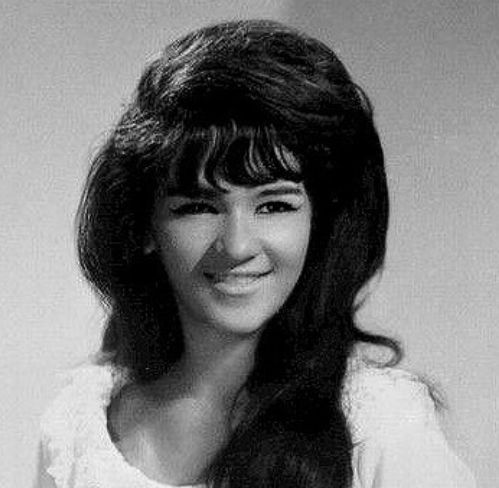
What made The Ronettes stand out was not only the voice or the image. It was the scale of the sound. Those records felt huge. Dense percussion, layered harmonies, dramatic emotion, and a sense that every second mattered. Pop music still borrows from that formula. You hear it in retro-inspired hits, modern girl groups, indie pop, and producers chasing a vintage wall-of-sound feel.
That is why their catalog remains surprisingly durable despite not being enormous. Some acts need dozens of hits to stay relevant. The Ronettes built a long afterlife with a smaller body of work because the records had identity. They were immediate, recognizable, and hard to imitate properly.
Nedra Talley Ross often sat outside the spotlight, but supporting members shape legendary groups more than headlines admit. Harmony groups depend on balance, presence, timing, and personality. Remove one piece and the image changes. The Ronettes’ appeal came from being a complete unit, not a solo act with backups.
Her passing also arrives at a time when older pop catalogs keep finding new listeners through streaming, film soundtracks, and social media clips. Younger audiences may know Be My Baby without knowing who performed it.
Nedra Talley Ross is remembered not only as a former member of a famous group, but as part of a trio that helped define the emotional and sonic blueprint of pop music. The Ronettes did not need a giant catalog to leave a giant mark. Few groups can say that.