
Pressure movie looks like it wants something new. War films usually make the same promise. Big battles, heroic speeches, chaos on beaches, and familiar history recreated at scale.
Instead of showing D-Day as a grand spectacle, it focuses on the seventy-two hours before the invasion. That in itself makes it more interesting than many recent WWII movies. The outcome is known. But the uncertainty before it is where real tension lives.
What makes this angle stronger is that it avoids repeating scenes audiences have already seen many times. Cinema has covered soldiers storming beaches. It has covered combat heroics. But fewer films deal with the administrative, political, and psychological pressure behind decisions that send thousands of people into danger. That is where Pressure movie could separate itself.
The real conflict here is not gunfire. It is competing forecasts, clashing egos, military urgency, and incomplete information. One side says launch. Another says wait. Every hour matters. Delay too long and secrecy weakens. Move too soon and thousands may die in storms. That is a stronger dramatic setup than many louder war films manage.
Directed by Anthony Maras, the film stars Andrew Scott as meteorologist James Stagg, the man tasked with advising Allied command on whether the Normandy invasion should proceed. Brendan Fraser plays Dwight D. Eisenhower, the person carrying the final responsibility. Kerry Condon and Damian Lewis also join a cast that gives the project more weight than a standard historical drama.
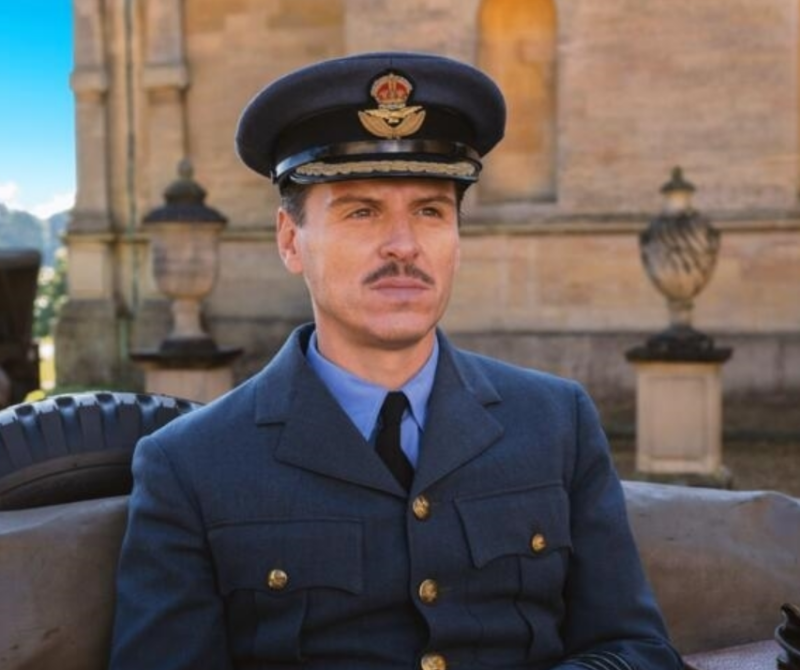
Pressure Movie: What to Expect From the Cast
Andrew Scott also feels like smart casting. He usually works best when playing intelligent, complicated people who are not trying to be charming. James Stagg appears to be exactly that kind of role. A man who knows he is right but has to convince people with more power than him. Scott can do internal tension better than most actors working right now.
Brendan Fraser as Eisenhower is another interesting choice. Rather than presenting him as a historical monument, the film seems more interested in showing a leader carrying fear, doubt, and responsibility. That human angle matters more than impersonation.
There is also something refreshing about a war film where weather becomes the threat. Storm systems, tides, visibility, and timing are not glamorous subjects, but they are real stakes. If handled well, they can create suspense in a way explosions often cannot.
Anthony Maras previously directed Hotel Mumbai, which handled tension through confined spaces, time pressure, and escalating dread. That experience could help here. Pressure movie needs urgency more than spectacle, and Maras has shown he understands that kind of filmmaking.
If Pressure movie delivers on performance and pacing, it may end up being the smartest D-Day film in years. Not because it tries to be bigger than others, but because it chooses to be sharper. Sometimes the most important part of history happens before anyone fires a shot.